Hey there, fellow pickleball fanatics! It's your pal, Daisy Dink here, ready to dive into a topic that's been causing quite a racket (or, well, less of a racket) in the pickleball world: the rise of quiet paddles and the ongoing debate about noise regulations. In 2026, it's safe to say, the sound of silence is getting louder!
The Sound of Silence: Why Quiet Paddles Are Trending
Let's face it, the satisfying 'thwack' of a pickleball is music to our ears, but not everyone shares our enthusiasm. As pickleball's popularity explodes, so do noise complaints from those living near the courts. This has led to increased scrutiny and, in some cases, restrictions on where and when we can play. Some communities are even implementing strict noise level regulations, forcing players and manufacturers to rethink the sound of the game.
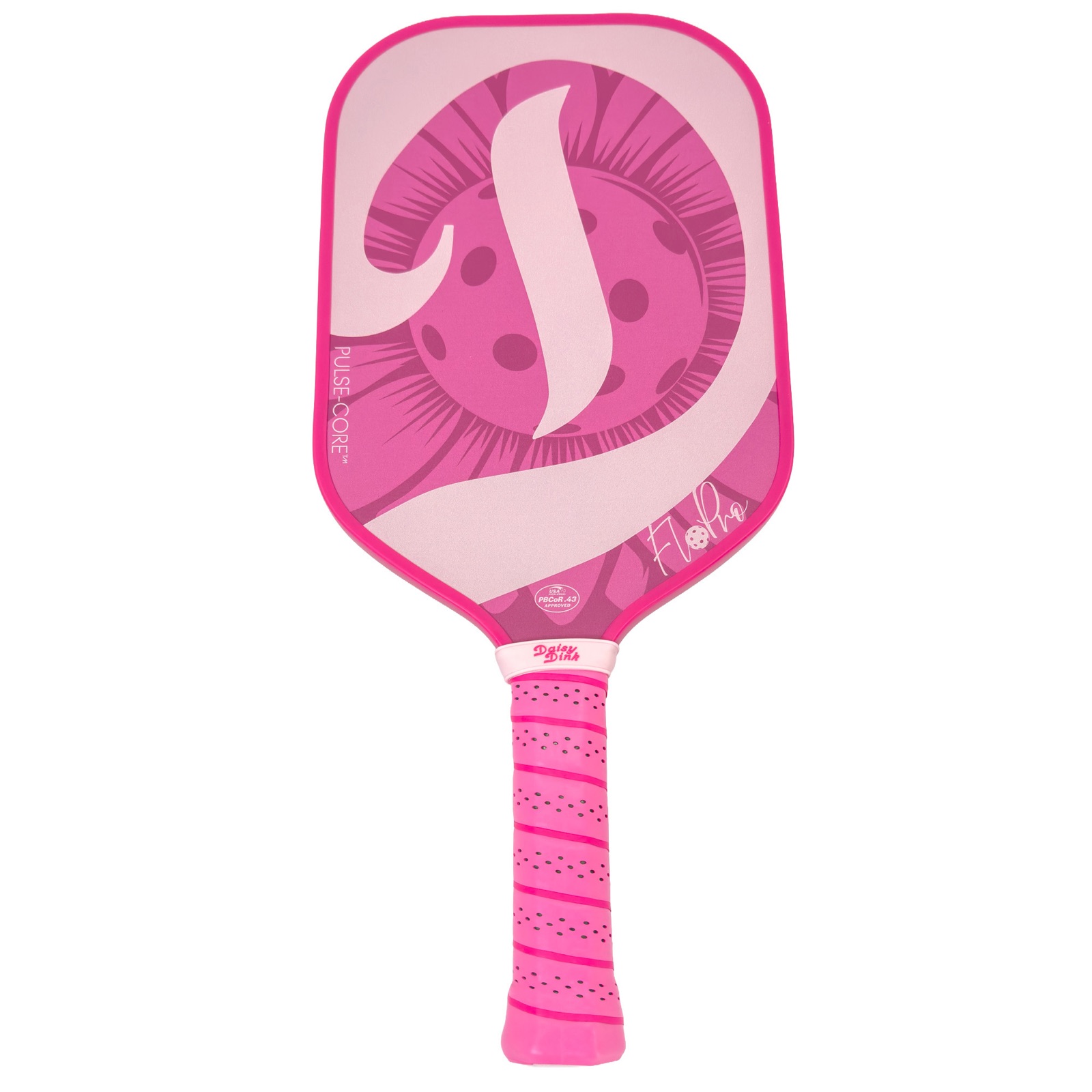
Enter the 'quiet paddle.' These paddles are designed with innovative core materials and surface technologies to significantly reduce the sound produced when striking the ball. We're talking about a noticeable difference – enough to keep the neighbors happy and the game alive in noise-sensitive areas.
Innovation in Action: How Manufacturers Are Quieting the Dink
Paddle manufacturers are stepping up to the challenge, investing heavily in research and development to create quieter paddles without sacrificing performance. Here's a peek at some of the cool innovations we're seeing:
- Polymer Core Technology: Many quiet paddles utilize advanced polymer cores that absorb vibration and dampen sound. Think of it as a built-in muffler for your paddle!
- Specialized Surface Materials: Manufacturers are experimenting with different surface materials, like fiberglass and graphite blends, to minimize the 'pop' sound on impact.
- Edge Guard Design: Even the edge guard plays a role! Some designs are specifically engineered to reduce vibration and noise transfer.
Pro Tip: When shopping for a quiet paddle, look for models that have been independently tested and certified for noise reduction. Many manufacturers now provide decibel ratings for their paddles, making it easier to choose one that meets local regulations.
The Great Debate: Performance vs. Peace
Of course, the quest for quieter paddles isn't without its controversies. Some players worry that reducing the sound will compromise the feel and performance of the paddle. Will a quieter paddle mean less power, less control, or a less satisfying playing experience?
This is where the debate heats up. Traditionalists argue that the 'thwack' is an integral part of the game, providing auditory feedback that helps with timing and shot placement. Others believe that quiet paddles are a necessary evolution, allowing the sport to thrive in a wider range of communities without causing friction.
Pro Tip: Don't knock it 'til you've tried it! Many players are surprised to find that quiet paddles can offer excellent performance, with some even preferring the softer feel and enhanced control.
Real-World Examples: Quiet Pickleball in Action
We're seeing the impact of noise regulations and quiet paddles in communities across the country. Here are a couple of examples:
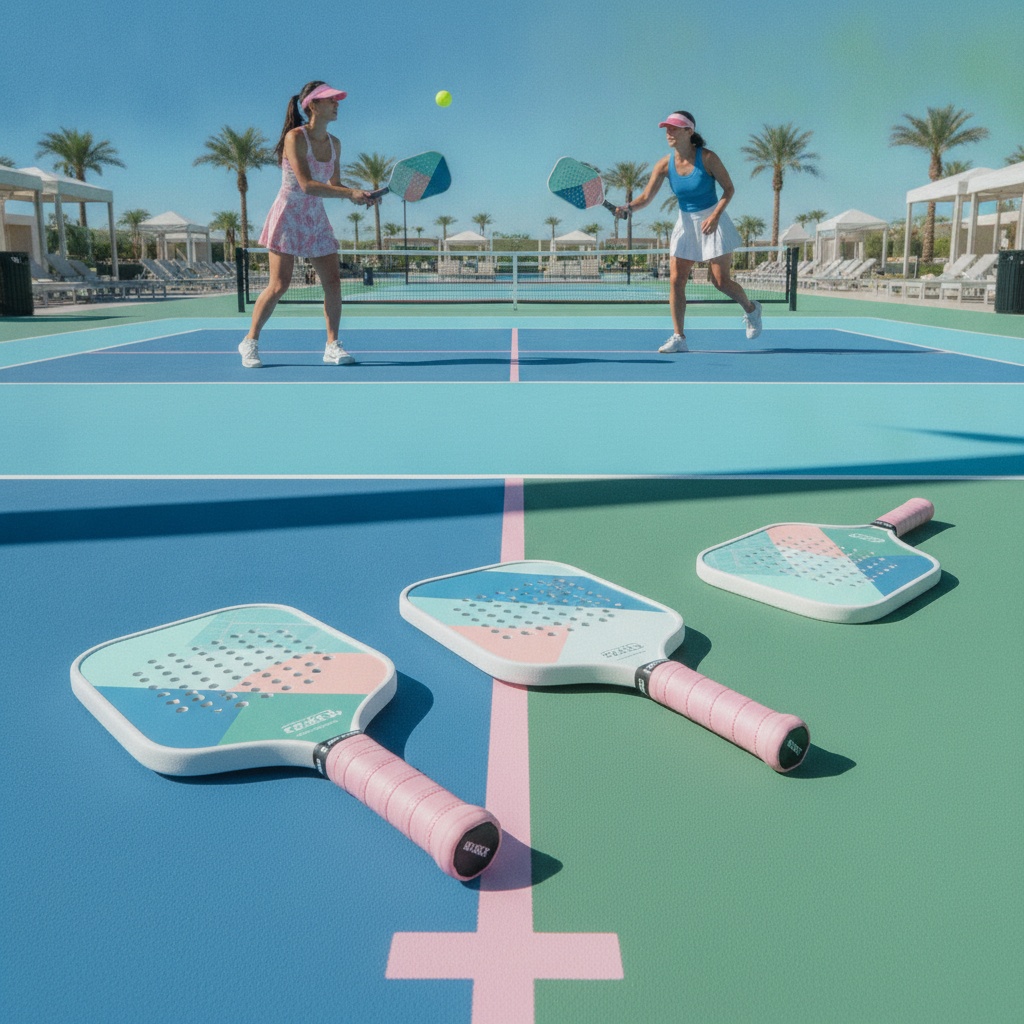
- Community Courts: Several community courts have implemented designated 'quiet hours' or require the use of quiet paddles during certain times to minimize noise impact on nearby residents.
- Tournaments: Some tournaments are now mandating the use of approved quiet paddles to ensure a more enjoyable experience for everyone involved, including spectators and volunteers.
- Private Clubs: Many private pickleball clubs are adding indoor courts featuring sound dampening materials and requiring the use of quiet paddles to reduce noise bleed to other areas of the facility.
The Future of Pickleball Sound: What's Next?
The conversation around pickleball sound is far from over. As technology advances and regulations evolve, we can expect to see even more innovation in paddle design and noise reduction strategies. It's likely that we'll see a greater emphasis on community engagement and finding solutions that balance the needs of players and residents alike.
One thing's for sure: the 'quiet paddle' revolution is here to stay. Whether you're a seasoned pro or a newbie to the game, it's worth exploring the world of quiet paddles and considering how they can help ensure the long-term sustainability of our beloved sport.
Pro Tip: Stay informed about local noise regulations and be respectful of your neighbors. By working together, we can ensure that pickleball remains a fun and accessible sport for everyone!
So, grab a quiet paddle, hit the courts, and let's keep the good times rolling (quietly, of course!). Happy dinking!