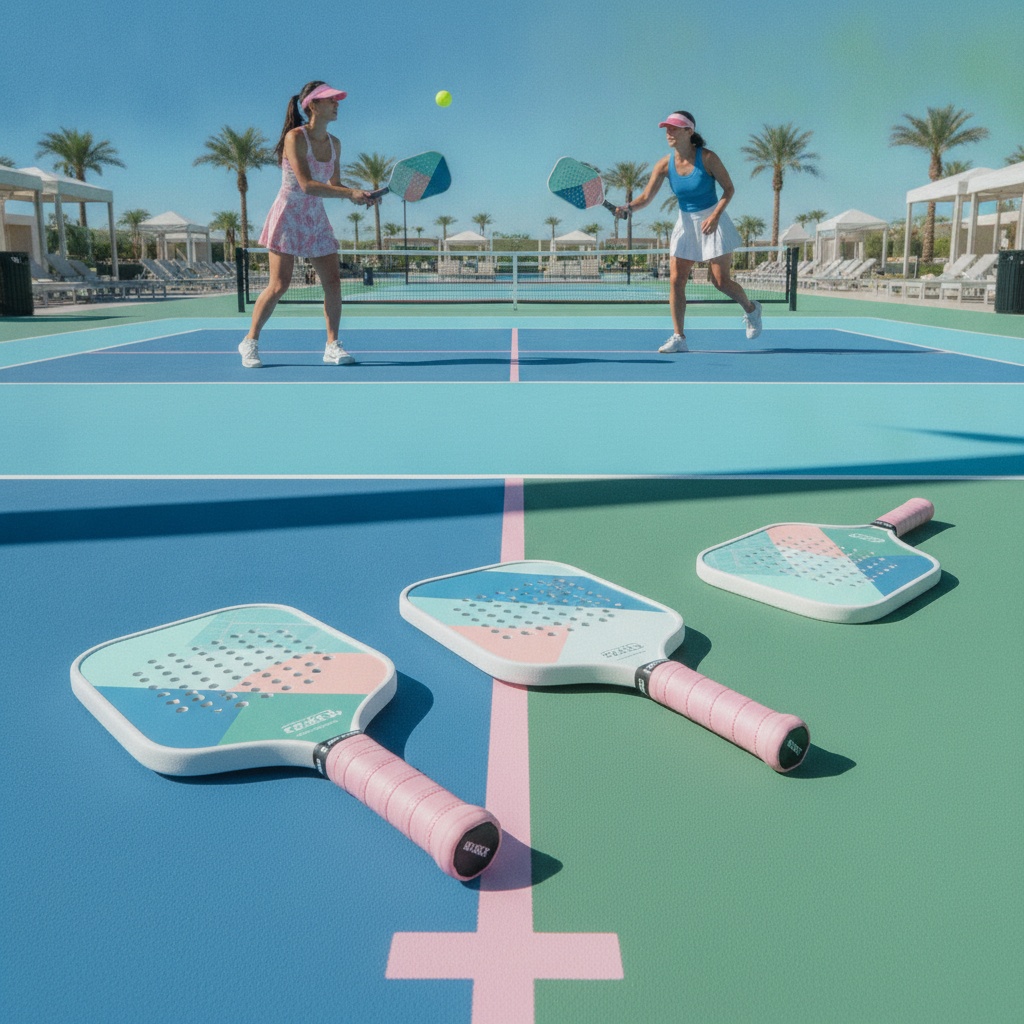
Hey there, fellow dink enthusiasts! It's your pal from Daisy Dink, here to chat about something that's been buzzing (or, well, *not* buzzing as much these days) in the pickleball world: the infamous "sound wars." Yep, we're talking about that distinctive *thwack* that's either music to your ears or the bane of your neighbor's existence. But guess what? It's April 2026, and things are changing, folks!
The Rise of the Quiet Paddle: A 2026 Revolution
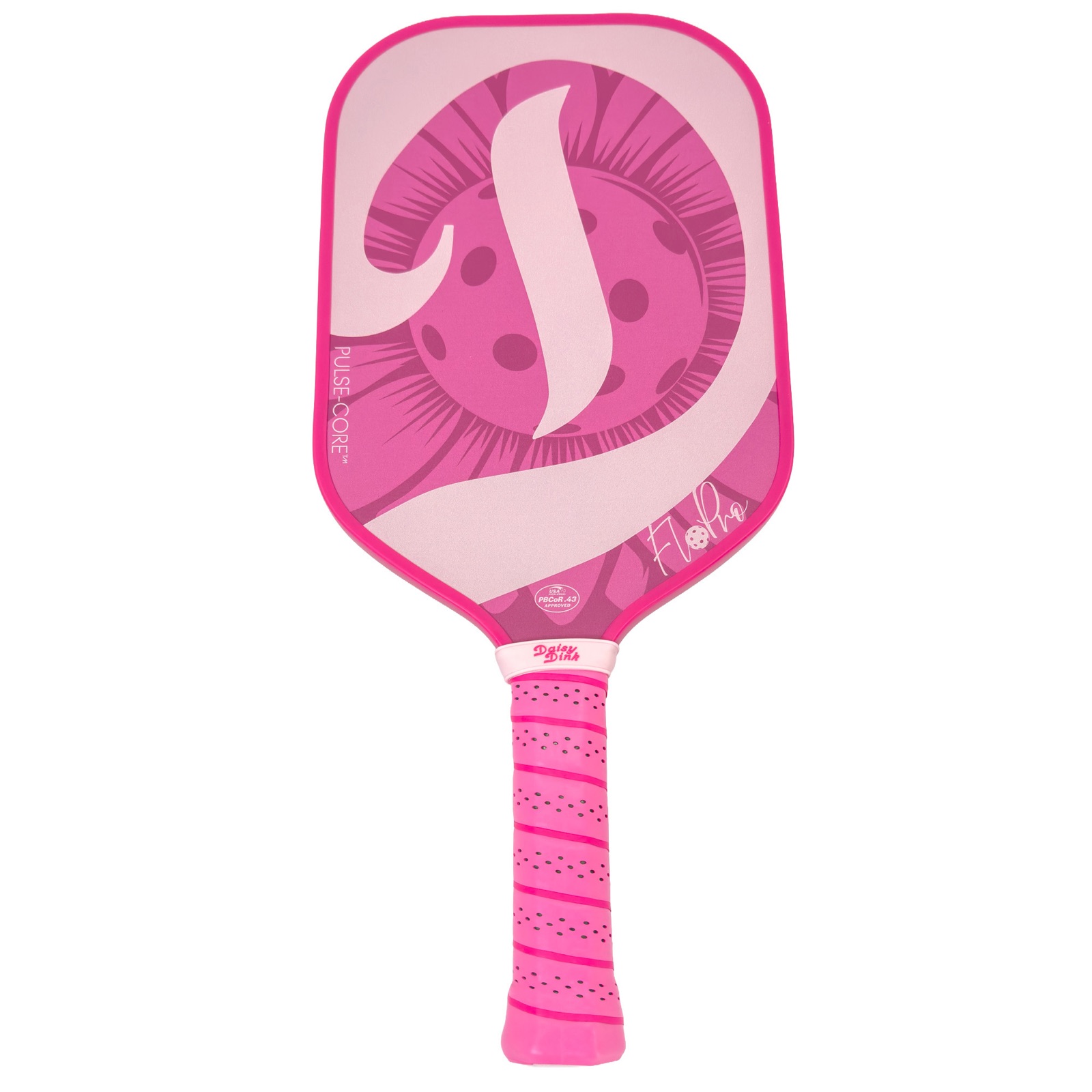
Remember when pickleball paddles sounded like you were hitting a watermelon with a baseball bat? Those days are fading fast! The biggest game-changer has been the surge in quiet paddle technology. Manufacturers (like yours truly, Daisy Dink!) have been working overtime to create paddles that significantly reduce noise without sacrificing performance. We're talking about innovative core materials and surface designs that absorb impact and minimize that high-frequency *thwack*.
Pro Tip: When shopping for a quiet paddle, look for models with a lower decibel rating. Many manufacturers now include this information in their product specs. Also, read reviews! See what other players are saying about the sound levels in real-world playing conditions.
The USAPA (USA Pickleball Association) has been playing a crucial role, too. They've been actively testing and approving paddles that meet specific noise reduction standards. This gives players confidence that they're using equipment that's both performance-driven and neighbor-friendly.
Community Regulations: Finding the Right Balance
Beyond the tech, communities are stepping up to address the sound issue head-on. We're seeing a rise in noise ordinances and regulations specific to pickleball courts. Some communities are implementing restricted playing hours, while others are requiring the use of quiet paddles during certain times.
For example, the town of Sunnyvale, California, famously had a ban on pickleball due to noise complaints. But in early 2026, after extensive community input and testing of quiet paddle technology, they revised their regulations to allow pickleball with approved equipment and limited hours. This is a HUGE win for pickleball enthusiasts!
Pro Tip: Get involved in your local pickleball community! Attend town hall meetings, voice your opinions, and work with your neighbors to find solutions that work for everyone. Remember, collaboration is key!
The Impact on the Game: A Quieter, More Inclusive Future
So, how are these changes affecting the game itself? Well, for starters, it's opening up pickleball to a wider audience. Fewer noise complaints mean more opportunities to build courts and grow the sport in noise-sensitive areas. Plus, it's creating a more pleasant playing environment for everyone involved.
Some players initially worried that quiet paddles would compromise performance, but that hasn't been the case. In fact, many players are finding that these paddles offer excellent control and feel, allowing them to improve their game in new ways. Daisy Dink's quiet paddles are a testament to this – we've poured our hearts into creating paddles that are both quiet AND powerful.
Real-World Examples: Pickleball Harmony in Action
We're seeing success stories pop up all over the country. In Scottsdale, Arizona, a new pickleball complex was designed with noise mitigation in mind, including sound barriers and designated quiet paddle zones. This innovative approach has allowed the complex to thrive without disturbing nearby residents.
And in Portland, Oregon, a local pickleball group partnered with a noise consultant to develop a set of best practices for reducing noise pollution, including paddle recommendations, court placement strategies, and player etiquette guidelines. Their efforts have been recognized by the city council and are being used as a model for other communities.
Actionable Tips for Players and Communities
- Players: Invest in a quiet paddle! It's a win-win for you and your neighbors.
- Communities: Develop clear and reasonable noise regulations. Consider factors like time of day, paddle technology, and court placement.
- Manufacturers: Continue to innovate and develop even quieter paddle technologies. Transparency and clear communication about decibel ratings are essential.
Pro Tip: When playing in noise-sensitive areas, be mindful of your volume level. Avoid excessive shouting or loud celebrations. A little consideration goes a long way!
The Future of Pickleball Sound: A Brighter (and Quieter) Tomorrow
The "sound wars" may not be completely over, but we're definitely moving in the right direction. With advancements in paddle technology, proactive community regulations, and a growing awareness of the issue, the future of pickleball is looking brighter – and quieter – than ever before. So, grab your quiet paddle, head to the courts, and let's keep the good times rolling (without the unnecessary noise)!
Ready to join the quiet revolution? Check out Daisy Dink's latest line of noise-reducing paddles and let's keep pickleball accessible and enjoyable for everyone! Happy Dinking!