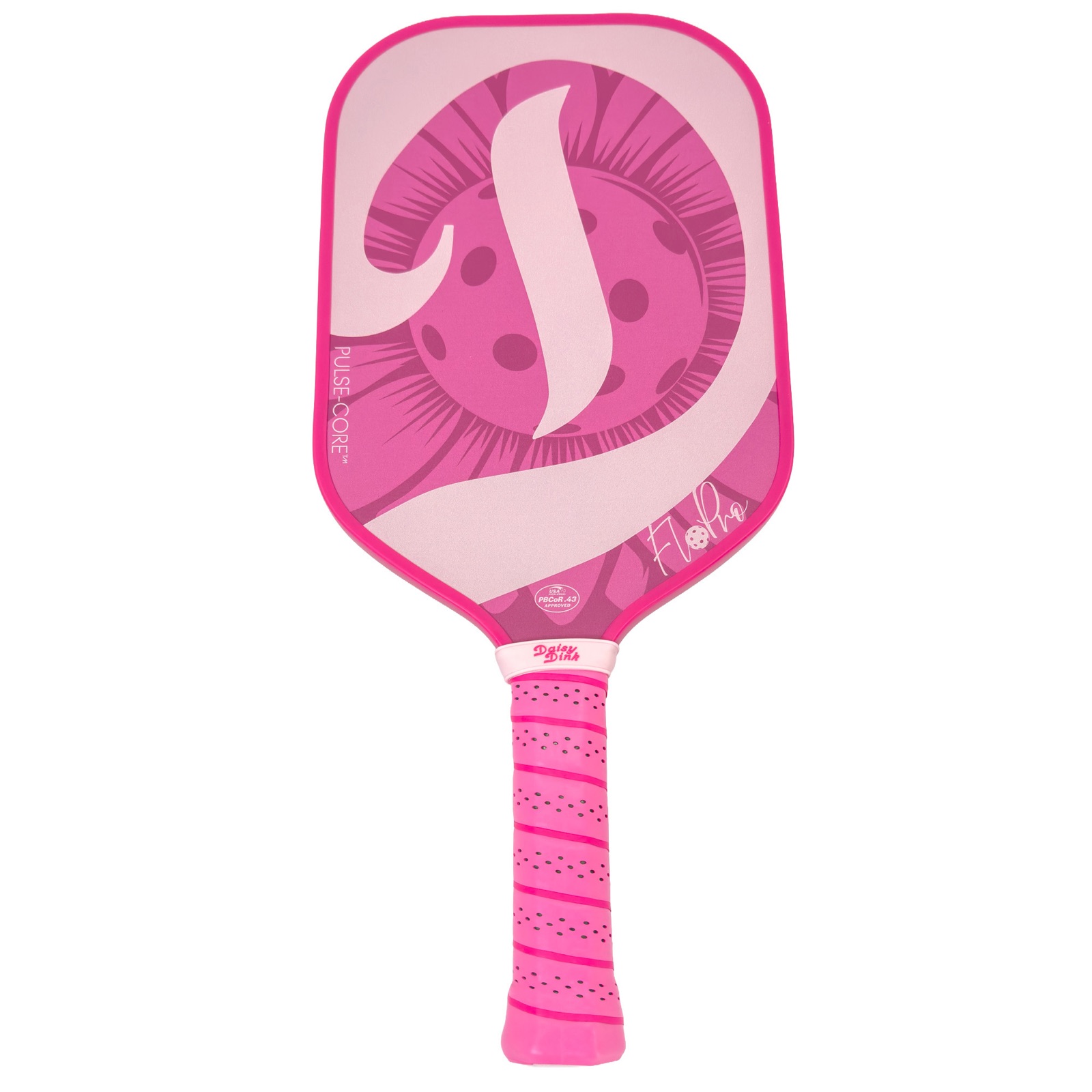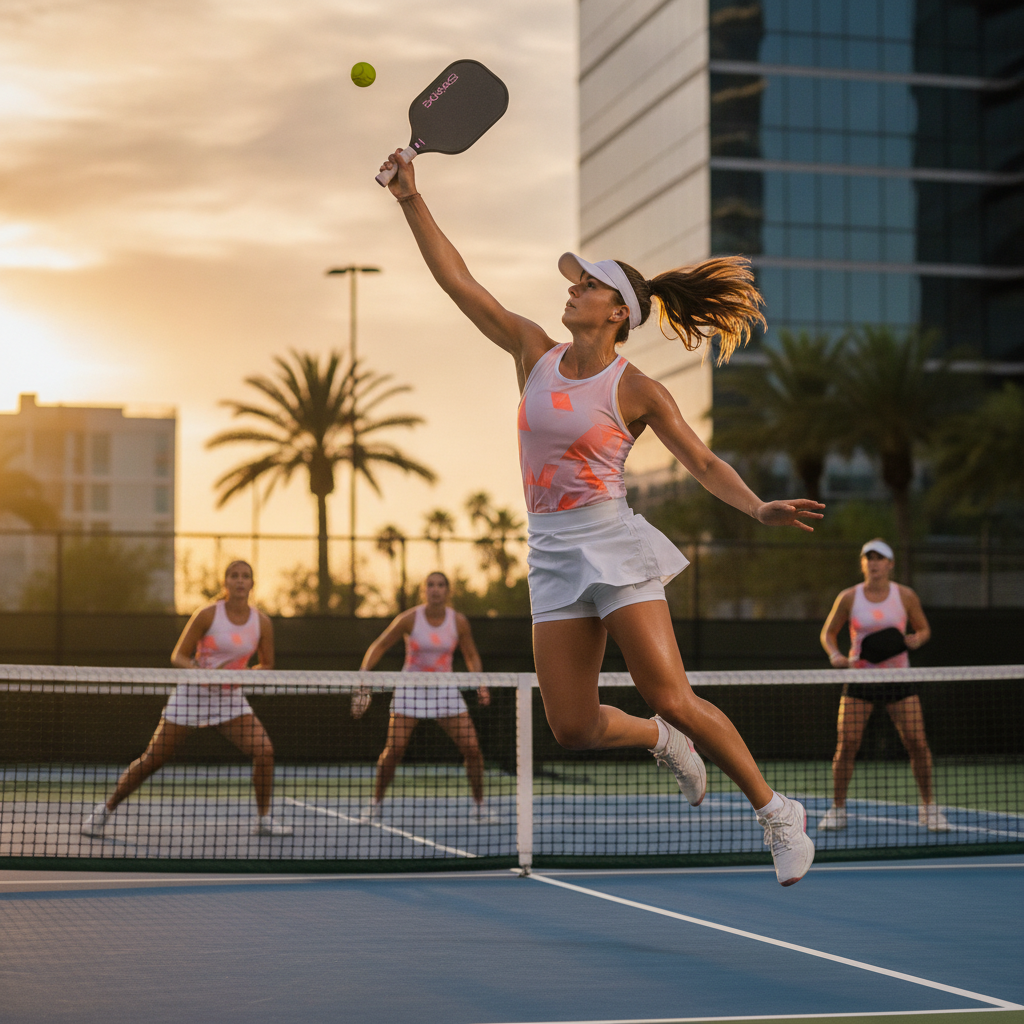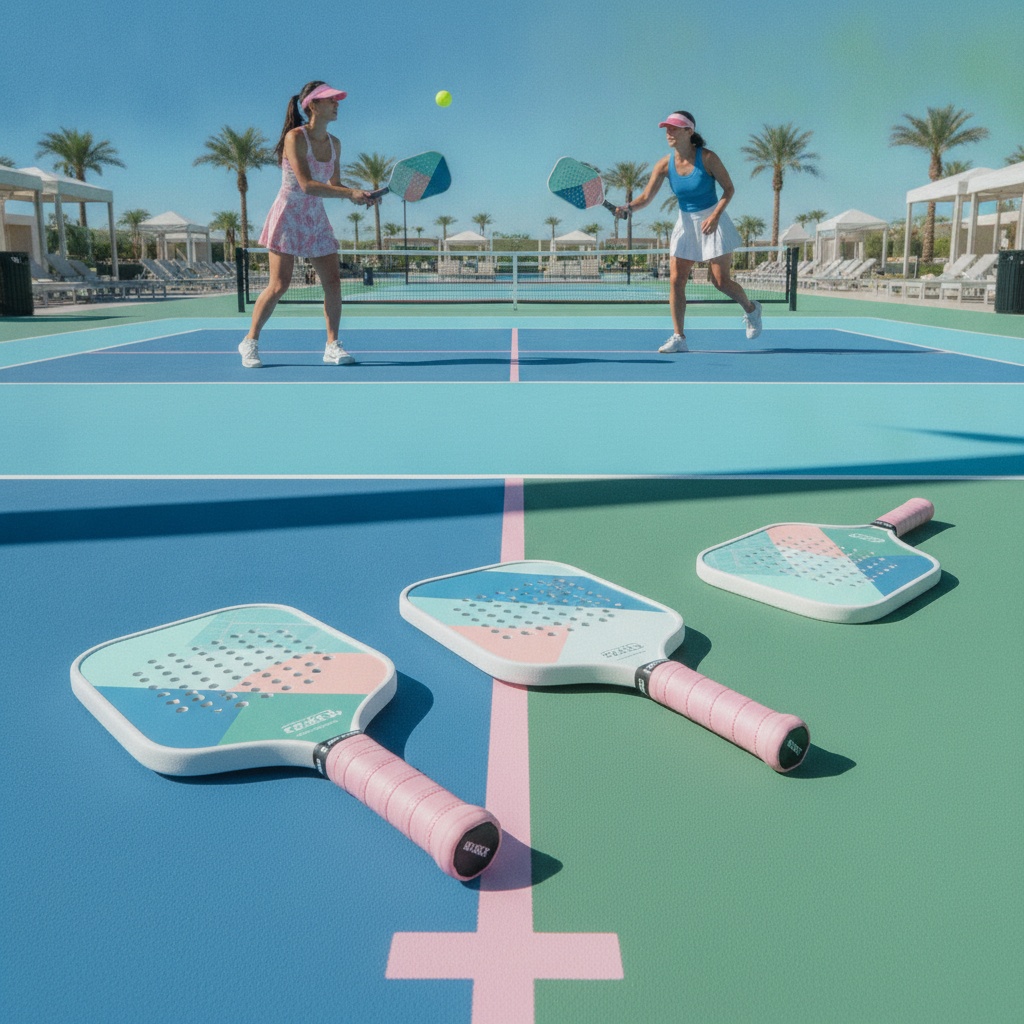
Hey there, Dink Fam! It's your favorite paddle pals here at Daisy Dink, and boy, do we have some juicy pickleball tech to spill! 2026 is shaping up to be a HUGE year for paddles, and it's all about… texture! Forget smooth surfaces – we're talking about a full-blown spin cycle, and it's changing the way we play the game. Get ready to explore how this texture revolution impacts your control, consistency, and overall dinking domination!
1. The Rise of the Rough Riders: What's the Texture Trend?
Okay, so what's all the buzz about? For years, pickleball paddles were fairly uniform – smooth surfaces designed for consistent contact. But now, manufacturers are going wild with texture! We're seeing everything from micro-grit overlays to etched patterns and even raised ridges. These aren't just aesthetic tweaks; they're engineered to grab the ball on contact, increasing friction and, you guessed it, SPIN!
Pro Tip: Don't be afraid to experiment with different textures. What feels good in your hand and translates to better spin on the court is what matters!
2. Spin to Win: How Texture Impacts Your Game
So, why all the fuss about spin? Well, spin is your secret weapon on the pickleball court. It allows you to:
- Control the Ball: Add topspin to keep the ball dipping down into the court, even on aggressive shots.
- Dictate the Pace: Use backspin (slice) to slow the ball down and disrupt your opponent's rhythm.
- Hit Angled Shots: Generate sidespin to curve the ball around opponents or obstacles.
Paddles with enhanced texture give you more control over these spin dynamics, allowing you to execute a wider range of shots and keep your opponents guessing. Imagine hitting a dink that just dies as it crosses the net or a topspin drive that bounces high and forces your opponent back – that's the power of texture!
3. Consistency is Key: Taming the Texture Beast
Here's the thing: more spin doesn't automatically equal better play. With increased texture comes increased sensitivity. It takes practice to master the nuances of a textured paddle and maintain consistent shots. You might find that your slices float long or your drops go short as you adjust to the new level of spin you can generate. The key is to dial in your technique and develop a feel for the paddle's response.
Pro Tip: Start slow! Focus on mastering basic shots with your new textured paddle before trying to unleash crazy spin moves. Practice your dinks, drops, and drives until you feel confident in your control.
4. The Tech Behind the Texture: Materials and Manufacturing
The texture revolution isn't just about slapping some grit on a paddle. Manufacturers are using advanced materials and manufacturing techniques to create surfaces that are both durable and highly effective at generating spin. Some common approaches include:
- Carbon Fiber with Grit Overlay: A layer of textured grit is applied to the carbon fiber surface, providing excellent grip on the ball.
- Etched Graphite: The graphite surface is laser-etched with a pattern that creates friction and enhances spin.
- Thermoplastic Polymer Surfaces: New polymers are being used to create surfaces that are naturally textured and highly resilient.
5. Real-World Examples: Texture in Action
Let's look at some practical examples of how texture is being used on the court. In a recent pro tournament, we saw several players using paddles with aggressive grit overlays to generate extreme topspin on their drives. This allowed them to push their opponents deep into the court and set up easy put-aways. On the other hand, some players are using paddles with more subtle textures to enhance their control on dinks and drops. By adding a touch of backspin, they can make the ball die right at the net, forcing their opponents to pop it up for an attackable shot.
6. Choosing the Right Texture: A Paddle for Every Player
With so many different textures on the market, how do you choose the right one for you? Here are a few factors to consider:
- Your Playing Style: Are you an aggressive player who likes to attack the net, or do you prefer to play a more controlled game from the baseline? Aggressive players may benefit from a paddle with a more aggressive texture, while control players may prefer a more subtle texture.
- Your Skill Level: If you're a beginner, you may want to start with a paddle that has a moderate texture. As you improve, you can experiment with more aggressive textures.
- Your Personal Preference: Ultimately, the best way to choose a paddle is to try out a few different options and see what feels best in your hand.
Pro Tip: Demo, demo, demo! Many retailers offer demo programs that allow you to try out different paddles before you buy. Take advantage of these programs to find the perfect texture for your game.
7. The Future of Texture: What's Next?
The texture revolution is just getting started! We expect to see even more innovation in this area in the years to come. Manufacturers are already experimenting with new materials, patterns, and technologies to create surfaces that offer even more spin, control, and consistency. We may even see paddles with adjustable textures that can be customized to suit different playing conditions or opponent styles. The possibilities are endless!
So there you have it, Dink Fam! The texture revolution is transforming the game of pickleball, giving players more control, consistency, and spin than ever before. Whether you're a seasoned pro or a beginner, now is the time to explore the world of textured paddles and unlock your full potential on the court. Now get out there and give 'em some spin!