
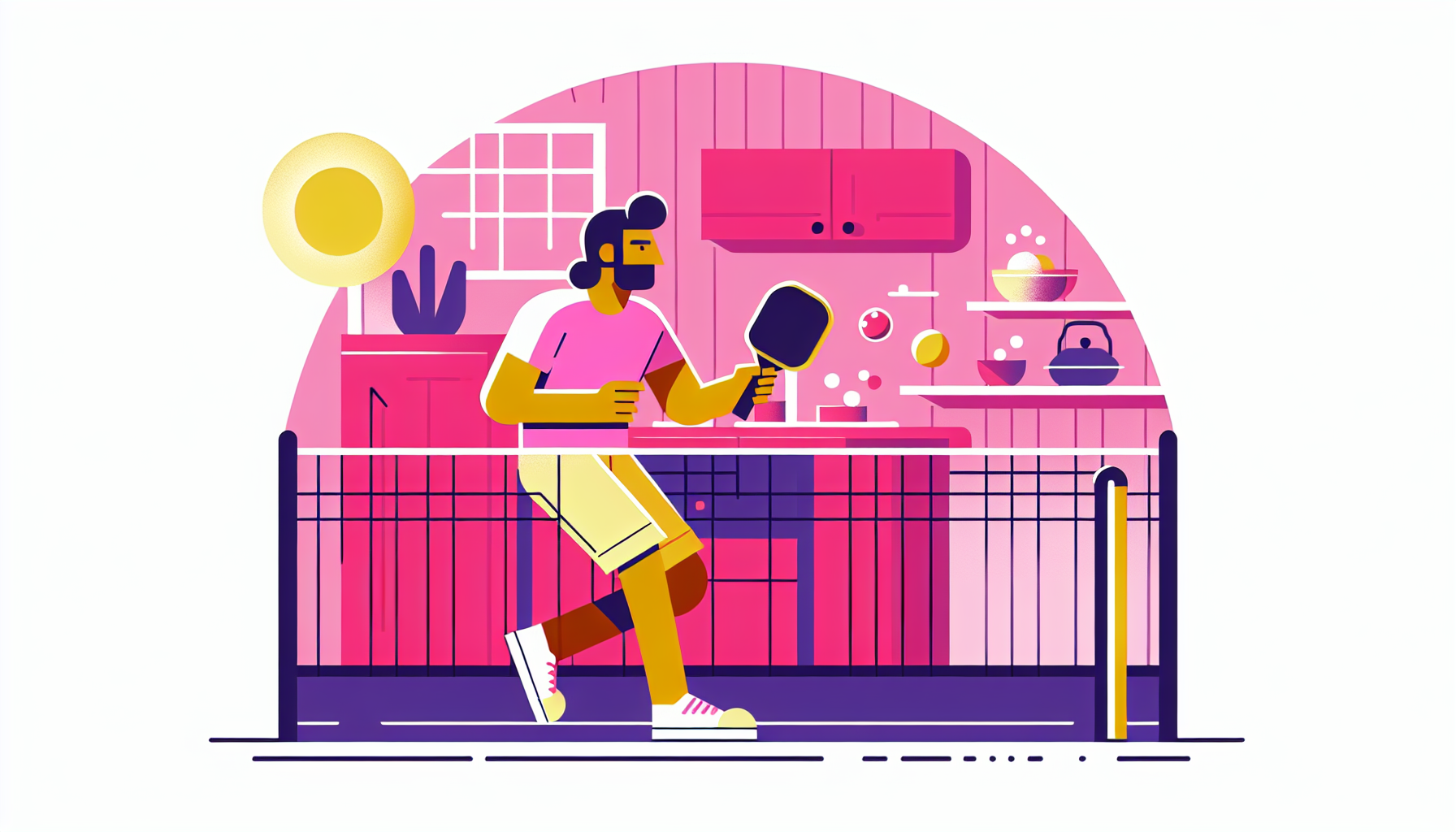
Welcome to the Dinking Zone!
Welcome back to The Daisy Dink Weekly, pickleball pals! This week, we're diving deep into one of the most crucial shots in pickleball: the dink. Often misunderstood by beginners, the dink is the key to controlling the kitchen line and setting up offensive opportunities. Forget power; it's all about finesse!
What is a Dink?
Simply put, a dink is a soft shot, hit from around the non-volley zone line (the kitchen), that lands softly in your opponent's kitchen. The goal is to force your opponent to also dink, leading to a strategic battle of placement and patience. Think of it as pickleball chess.
Why is the Dink So Important?
- Neutralizes Power: Prevents opponents from smashing overheads.
- Controls the Kitchen: Allows you and your partner to stay at the non-volley zone line, the most advantageous position.
- Creates Opportunities: Forces errors or weak shots, setting up put-aways.
- Frustrates Opponents: A well-executed dinking game can rattle even the most seasoned players.
Dinking Technique: The Nitty-Gritty
Here's how to execute a solid dink:
- Grip: Use a continental or slight eastern forehand grip for maximum control.
- Stance: Stay low and balanced, ready to move in any direction.
- Swing: Short, compact swing with minimal backswing. Think of pushing the ball rather than hitting it.
- Contact Point: Contact the ball out in front of your body.
- Follow Through: A gentle follow-through towards your target ensures a soft landing.
- Footwork: Use small, quick steps to adjust to the ball.
Dinking Strategy: Where to Place Your Dink
Placement is everything! Aim for these spots:
- Opponent's Feet: Forces a difficult shot and potential pop-up.
- Cross-Court Dink: Pulls your opponent wide, opening up the court.
- Deep Dink: Pushes your opponent back, making it harder to attack.
- Change the Pace: Mix up soft dinks with slightly harder ones to keep your opponent guessing.
Common Dinking Mistakes to Avoid
- Popping the Ball Up: Keep your paddle angle slightly closed to avoid lifting the ball too high.
- Dinking Too Hard: Focus on soft contact and placement.
- Standing Too Far Back: Stay close to the kitchen line for optimal control.
- Telegraphing Your Shot: Vary your swing and disguise your intentions.
Practice Drills to Improve Your Dinking
Here are a few drills to help you hone your dinking skills:
- Dink Rally: Simply dink back and forth with a partner, focusing on consistency and placement.
- Target Practice: Place targets in your opponent's kitchen and try to hit them with your dinks.
- Dink-to-Drive: Dink until you get a short ball, then attack with a drive.
The Daisy Dink's Dinking Challenge!
This week, challenge yourself to incorporate dinking into your game more often. Focus on placement, patience, and strategy. You might be surprised at how much it improves your overall pickleball game! Remember, dinking isn't just a shot; it's a mindset. Until next week, keep dinking!