
Pickleball Mania: How the Sport's Growth is Shaping Communities in 2026
Pickleball's meteoric rise continues to reshape communities across the globe in 2026. What started as a niche pastime has blossomed into a cultural phenomenon, fostering social connections, boosting local economies, and promoting active lifestyles.
The Social Fabric of Pickleball
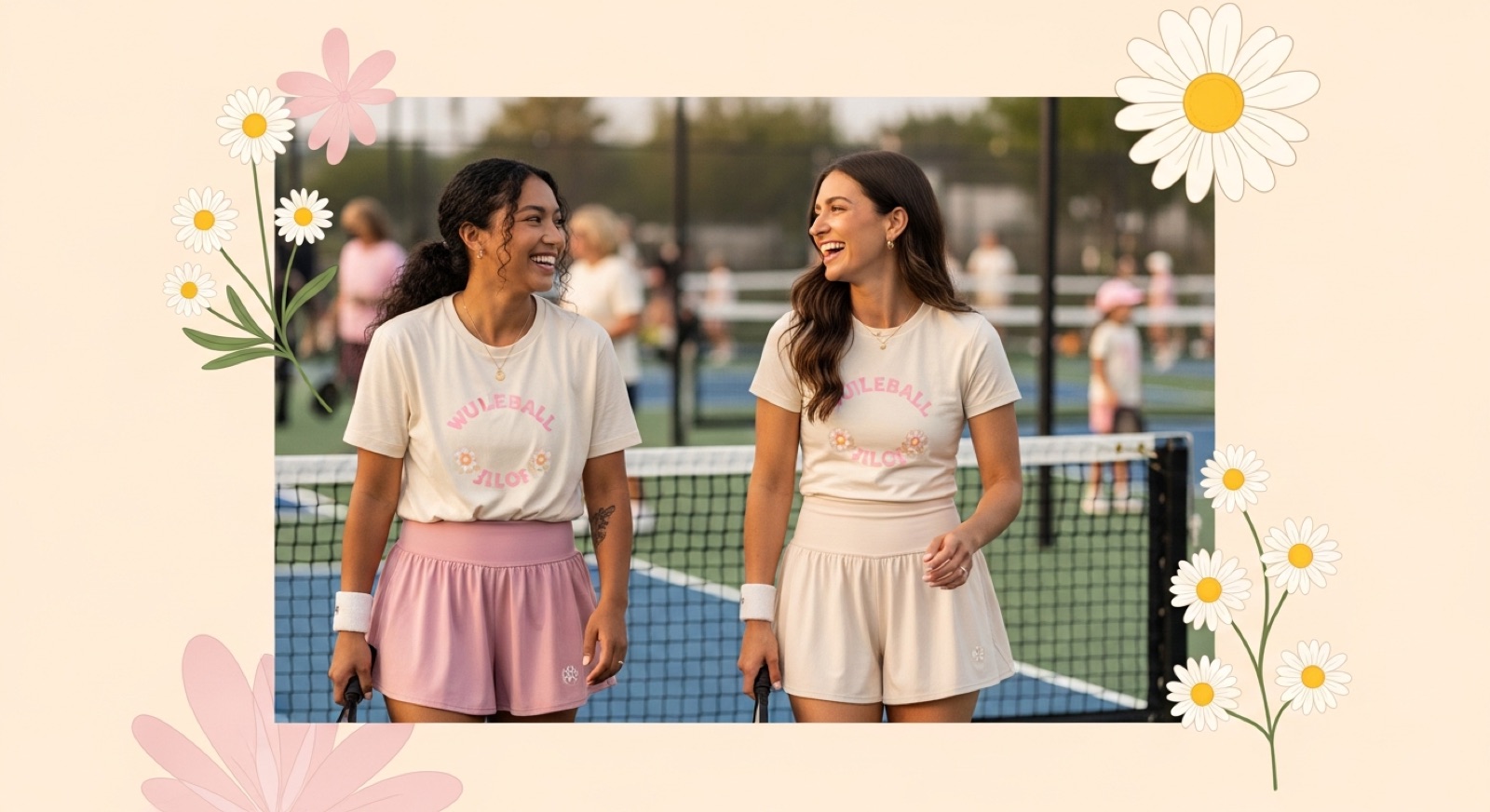
Pickleball is more than just a game; it's a social catalyst. The inclusive nature of the sport welcomes players of all ages and skill levels, creating a vibrant community where friendships flourish. Whether it's a casual game at the local park or a competitive tournament, pickleball provides a platform for people to connect and build relationships. It is also improving the local tourism economies due to the demand for vacation courts.
Community centers, retirement homes, and even schools are incorporating pickleball into their programs, further solidifying its role as a social connector. The shared passion for the game transcends demographic boundaries, fostering a sense of belonging and camaraderie.
Economic Impact
The pickleball boom is also having a significant economic impact on communities. The demand for pickleball equipment, apparel, and accessories has created new business opportunities and fueled growth in the sporting goods industry. Local businesses, such as restaurants and hotels near pickleball facilities, are also benefiting from increased traffic.
Furthermore, the construction and maintenance of pickleball courts generate jobs and stimulate economic activity. Communities are investing in new facilities and upgrading existing ones to meet the growing demand. This investment not only enhances the recreational infrastructure but also boosts the local economy.
Health and Wellness
Beyond the social and economic benefits, pickleball is promoting health and wellness in communities. The sport provides a low-impact, high-cardio workout that's accessible to people of all fitness levels. It improves cardiovascular health, strengthens muscles, and enhances coordination. The game also requires mental acuity, keeping players engaged and sharp.
As healthcare costs continue to rise, pickleball offers a cost-effective way for people to stay active and healthy. Communities are recognizing the value of investing in pickleball facilities as a means of promoting public health and well-being.
Challenges and Opportunities
While pickleball's growth is largely positive, it also presents some challenges. Noise complaints from nearby residents have become a common issue in some communities. To address this, communities are exploring noise-reducing measures, such as sound barriers and strategic court placement.
Another challenge is ensuring equitable access to pickleball facilities. Communities are working to create inclusive environments that cater to diverse populations, including seniors, youth, and people with disabilities.
Despite these challenges, the opportunities presented by pickleball's growth are immense. By embracing innovation, collaboration, and community engagement, we can harness the power of pickleball to build stronger, healthier, and more connected communities.
As emphasized in a recent Daisy Dink article, 'Pickleball Mania: How the Sport's Growth is Shaping Communities in 2026', the future of pickleball depends on our ability to adapt and address these challenges proactively.
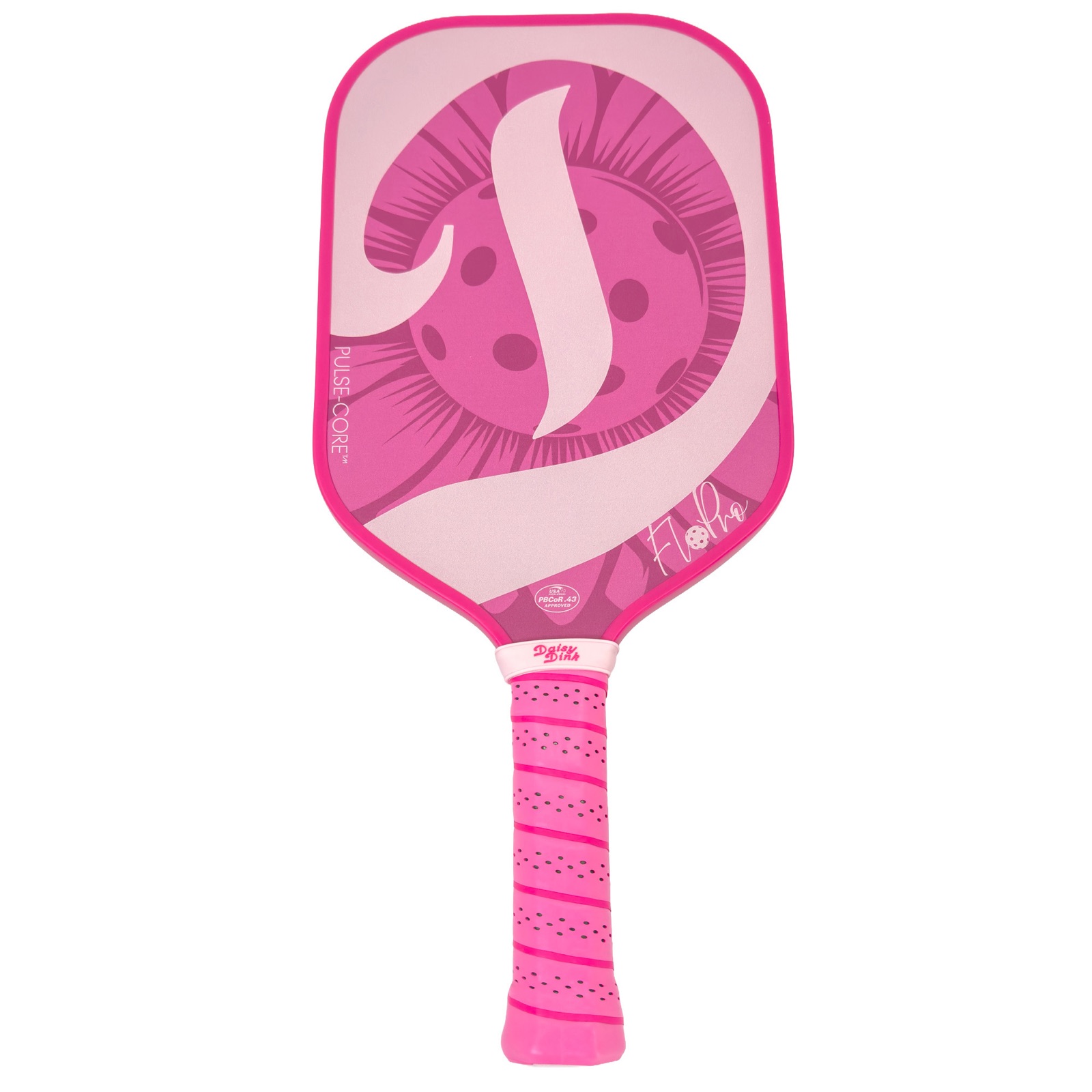


Women-owned, women-focused pickleball. We write about the gear, the game, and the culture. Live bold, play beautifully. 🌸
Keep reading

Join the conversation 🌸
Get The Daily Dink and weigh in every week.