
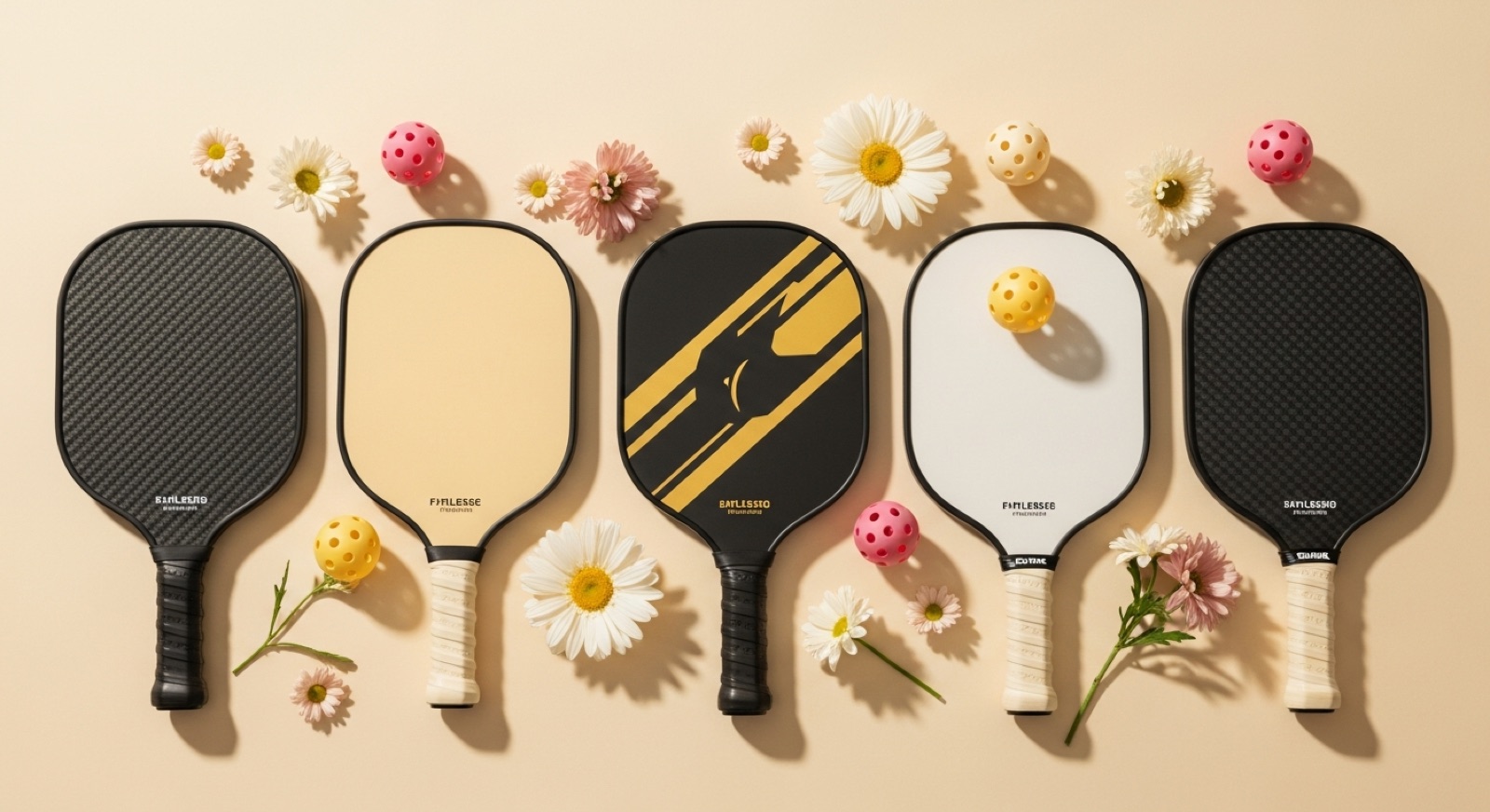
Decoding Paddle Materials: A Guide to Choosing the Right One
Choosing the right pickleball paddle can feel like navigating a maze. With a plethora of options available, understanding the materials used in paddle construction is crucial for making an informed decision. This guide breaks down the most common paddle materials and their impact on performance.
Graphite Paddles
Graphite paddles are known for their lightweight feel and responsiveness. The graphite face provides excellent control and precision, making them popular among players who prioritize finesse and touch shots. Graphite paddles typically offer a larger sweet spot, reducing mishits and improving consistency. However, they may lack the power of other materials.
Pros: Lightweight, excellent control, large sweet spot.
Cons: May lack power compared to other materials.
Composite Paddles
Composite paddles combine various materials, such as fiberglass, carbon fiber, and polymer, to achieve a balance of power, control, and durability. They offer a good compromise for players who want a versatile paddle that can handle a variety of shots. Composite paddles are often more affordable than graphite paddles, making them a popular choice for beginners and intermediate players.
Pros: Versatile, good balance of power and control, affordable.
Cons: May not excel in any particular area.
Wood Paddles
Wood paddles are the most traditional and budget-friendly option. While they may lack the advanced features of graphite and composite paddles, wood paddles can still be a good choice for beginners who are just starting to learn the game. They are durable and provide a solid feel, but they tend to be heavier and offer less control.
Pros: Affordable, durable.
Cons: Heavy, less control, smaller sweet spot.
Core Materials
In addition to the face material, the core of the paddle also plays a significant role in its performance. Common core materials include:
- Polymer: Polymer cores are known for their soft feel and excellent vibration dampening. They provide good control and are often preferred by players who prioritize touch shots.
- Nomex: Nomex cores are made from a honeycomb-shaped material that offers a firm feel and increased power. They are a good choice for players who want to generate more speed and spin.
- Aluminum: Aluminum cores are lightweight and provide a responsive feel. They offer a good balance of power and control.
Choosing the Right Material
The best paddle material for you depends on your playing style, skill level, and budget. Consider the following factors when making your decision:
- Skill Level: Beginners may benefit from a composite or wood paddle, while more advanced players may prefer a graphite paddle.
- Playing Style: Players who prioritize control and finesse may prefer a graphite paddle with a polymer core, while those who want more power may opt for a composite paddle with a Nomex core.
- Budget: Wood paddles are the most affordable, while graphite paddles tend to be the most expensive. Composite paddles offer a good balance of price and performance.
By understanding the different paddle materials and their impact on performance, you can choose a paddle that complements your playing style and helps you elevate your game. Remember to consider your personal preferences and try out different paddles before making a final decision.
Women-owned, women-focused pickleball. We write about the gear, the game, and the culture. Live bold, play beautifully. 🌸
Keep reading

Join the conversation 🌸
Get The Daily Dink and weigh in every week.