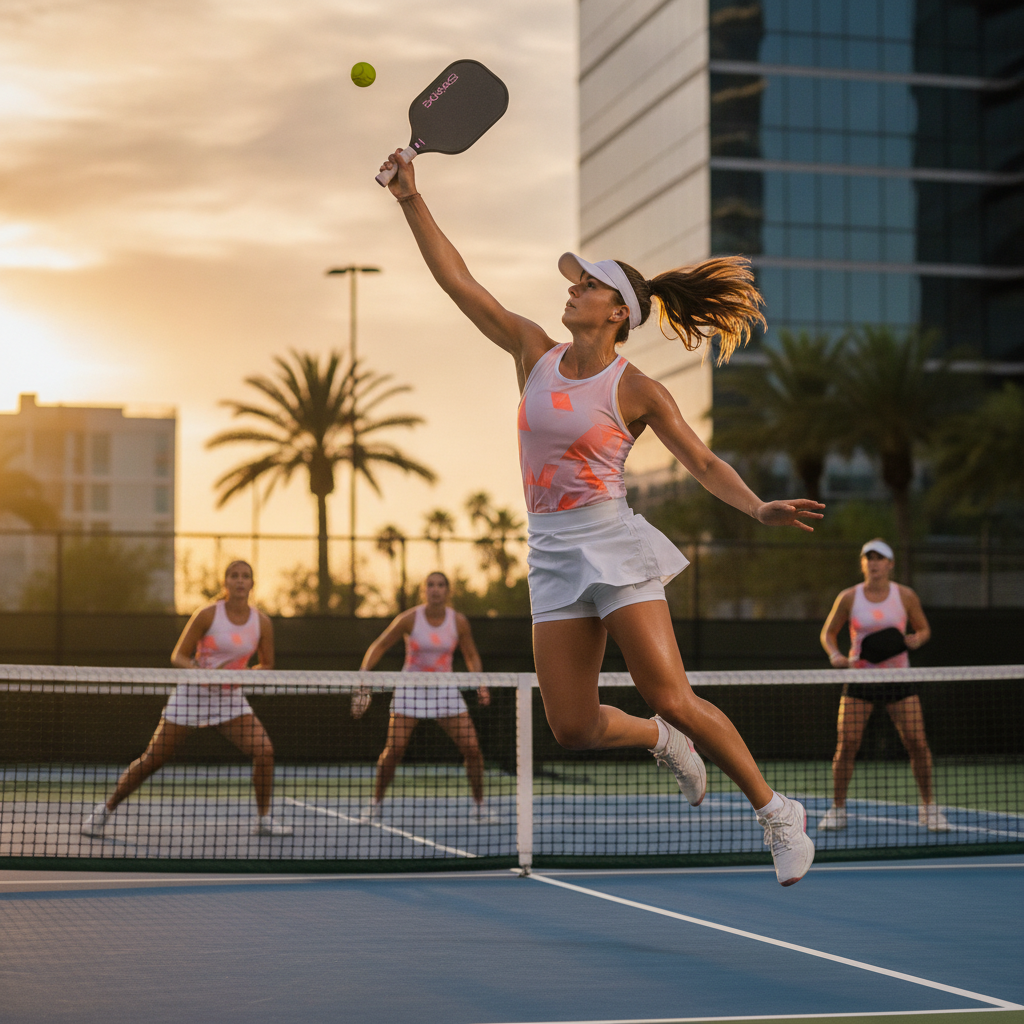
So, you're a tennis player eyeing the pickleball court? Welcome! You're probably wondering how your years of tennis experience translate to this smaller court and wiffle ball madness. Good news: your tennis skills give you a HUGE head start. But, and there's always a but, pickleball has its own quirks. Let's dive into how to adapt your tennis game and become a pickleball rockstar in 2026. Get ready to dink, drive, and dominate!
Step 1: Master the Kitchen (Non-Volley Zone)
This is where tennis players often stumble. The kitchen, or Non-Volley Zone (NVZ), is the area seven feet from the net where you can't volley the ball. Forget those aggressive approaches to the net you perfected in tennis. In pickleball, you need finesse and patience at the kitchen line.
Actionable Pro Tip: Practice your dinks! Dinks are soft shots that arc over the net and land in the kitchen. They force your opponent to lift the ball, giving you an advantage. Think soft hands, not power.
Real-World Example: Imagine you're in a kitchen dink rally. Instead of blasting the ball like you would in tennis, focus on consistent, low shots that are difficult to attack. This will frustrate your opponents and force errors.
Step 2: Adjust Your Groundstrokes
Tennis groundstrokes are powerful, full swings. Pickleball requires a more compact swing. The ball doesn't bounce as high, and the court is smaller, so you need control over power.
Actionable Pro Tip: Shorten your backswing. Think of punching the ball rather than swinging through it. This will give you more control and allow you to react quickly at the net. Focus on placement and spin over raw power.
Real-World Example: Instead of trying to hit a cross-court winner from the baseline, aim for a deep, cross-court shot that lands near your opponent's feet. This will force them to hit up, giving you an opportunity to attack.
Step 3: Serve with Finesse, Not Force
The pickleball serve is underhand and must be hit below the waist. This is a HUGE departure from the overhand tennis serve. Forget about aces; focus on consistency and placement.
Actionable Pro Tip: Practice your serve placement. Aim for deep serves that land near the baseline or target your opponent's weaker side. A consistent, well-placed serve is far more effective than a powerful serve that goes out.
Real-World Example: Instead of trying to overpower your serve, aim for a serve that lands deep and forces your opponent to move back. This will give you more time to get to the net and prepare for the third shot drop.
Step 4: Master the Third Shot Drop
This is the most important shot in pickleball. After you serve and your opponent returns, your third shot should be a soft shot that lands in the kitchen, forcing your opponents to stay back. This gives you and your partner time to approach the net and establish a strong position.
Actionable Pro Tip: Practice your third shot drop relentlessly. Aim for a high arc that lands softly in the kitchen. Use spin to make the ball die quickly and avoid giving your opponents an easy put-away.
Real-World Example: After serving, move towards the net. As your opponent returns, hit a soft, high shot that lands just over the net in the kitchen. This will force them to hit up, giving you control of the point.
Step 5: Embrace the Dink
We mentioned it before, but it's worth repeating: dinking is KEY. It's a strategic game of patience and placement. It's not about power; it's about control and forcing errors.
Actionable Pro Tip: Practice dinking cross-court and down-the-line. Vary your dink height and depth to keep your opponents guessing. Use angles to create openings for attack.
Real-World Example: During a dink rally, observe your opponents' body language. If they are leaning forward, try a short dink that lands right at their feet. If they are back, try a deeper dink that pushes them off the kitchen line.
Step 6: Adapt Your Mental Game
Tennis is often a solo sport, even in doubles. Pickleball is much more collaborative. Communication with your partner is crucial. Also, be prepared for longer rallies and more strategic play. Patience is a virtue!
Actionable Pro Tip: Develop clear communication signals with your partner. Call out shots, indicate which side you're covering, and strategize between points. A strong partnership can overcome even the most skilled opponents.
Real-World Example: Before each point, discuss your strategy with your partner. Decide who will take the middle shots and how you will react to different serves. This will help you stay coordinated and avoid confusion.
Step 7: Gear Up for Success
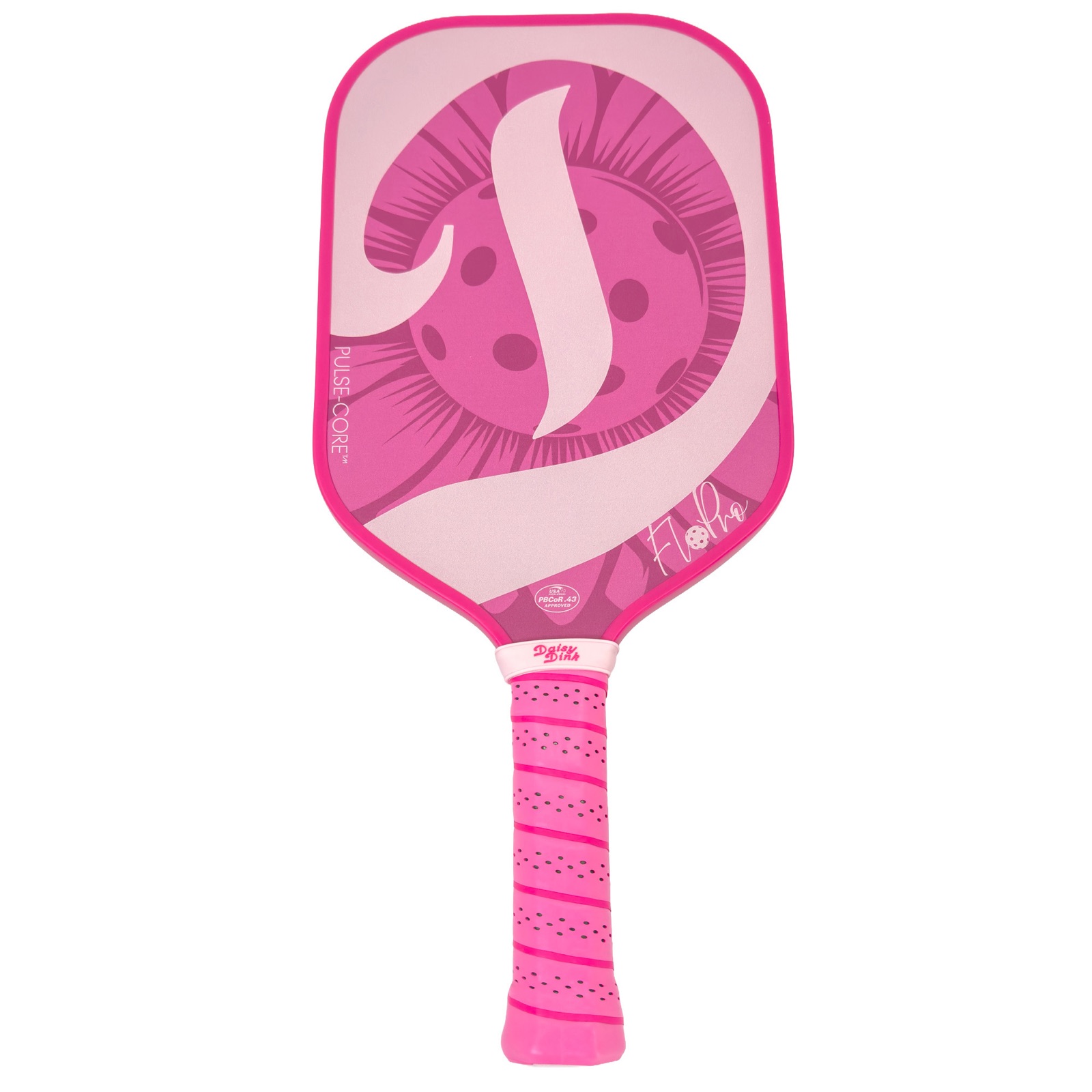
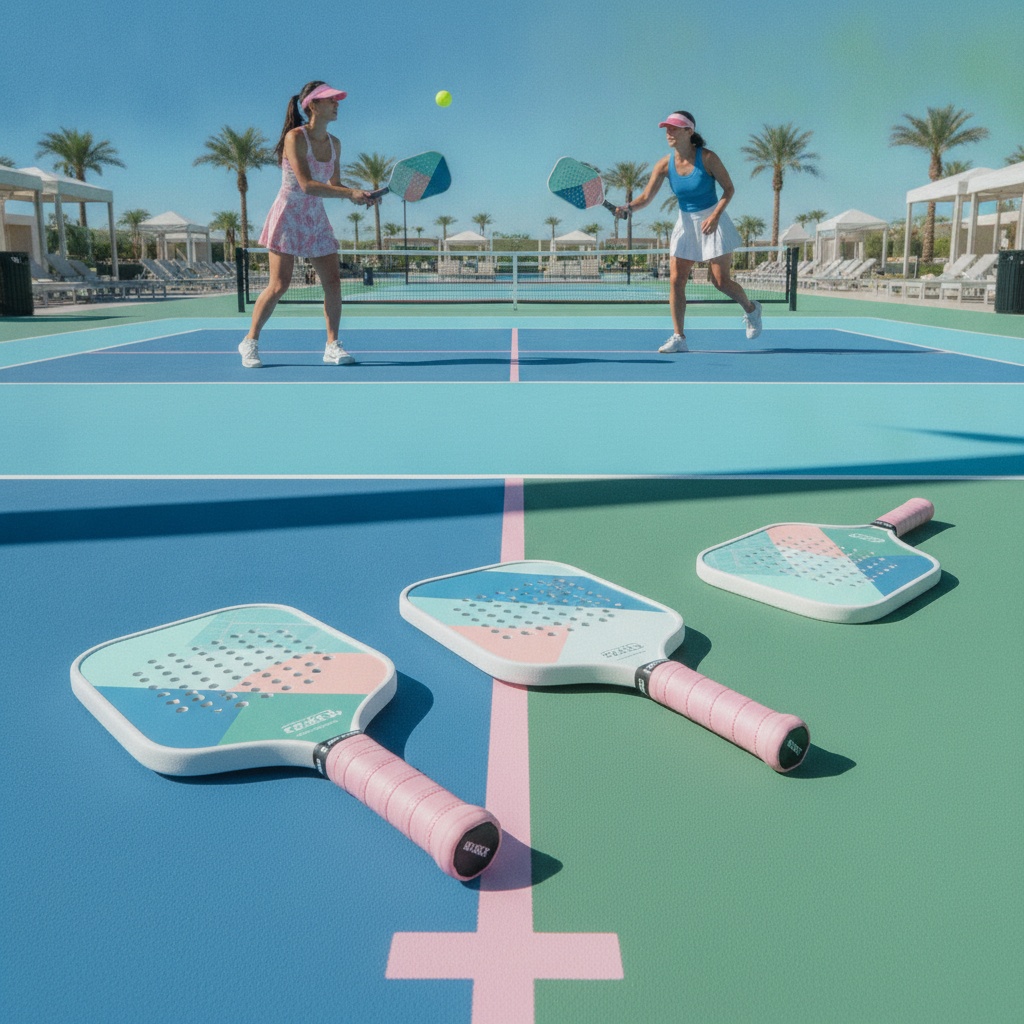
You'll need a good pickleball paddle (obviously, we recommend Daisy Dink!), comfortable shoes, and athletic wear. Pickleball paddles are different from tennis racquets – they're smaller, lighter, and designed for control. According to recent articles in Pickleball Magazine this month, players are trending towards lighter paddles for faster hand speed at the net. Make sure your paddle meets USA Pickleball Association standards if you plan to play in tournaments.
Actionable Pro Tip: Try out different paddles before you buy. Consider factors like weight, grip size, and material. A paddle that feels comfortable and suits your playing style will improve your game.
So, there you have it! With a few adjustments, your tennis skills can make you a formidable pickleball player. Remember to be patient, practice consistently, and most importantly, have fun! See you on the courts in 2026!